Mount Elgon Trekking
Conquering Uganda’s Ancient Giant
The best view comes after the hardest climb
Standing at 4,321 meters, Mount Elgon is not just a mountain; it is a geological marvel. Once the highest peak in Africa, this extinct shield volcano is home to the largest intact mountain caldera in the world and the broadest volcanic base on the planet.
Unlike the crowded slopes of Kilimanjaro, a Mount Elgon trek offers a rare sense of wilderness and solitude. Here, you don’t just hike; you journey through five distinct ecological zones, from lush coffee plantations and ancient bamboo forests to the otherworldly Afro-alpine moorlands filled with Giant Lobelias.
Why Trek Mount Elgon with Us?
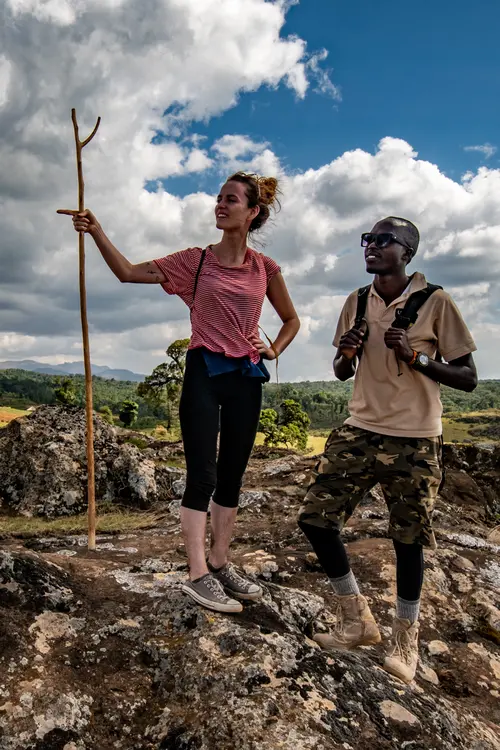
At Mount Elgon Trekkers, we are local experts based at the foot of the mountain in Sipi. We don’t just provide guides; we provide a professional mountain crew dedicated to your safety and experience.
- Summit Success: We specialize in Wagagai Peak (4,321m) expeditions via the Sasa, Piswa, and Bushiyi trails.
- Local Expertise: Our chefs, porters, and UWA-certified guides are born and raised on these slopes.
- All-Inclusive: Our packages include pre-hike accommodation, all park fees, mountain meals, and professional camping gear.
Compare Our Mount Elgon Trekking Routes
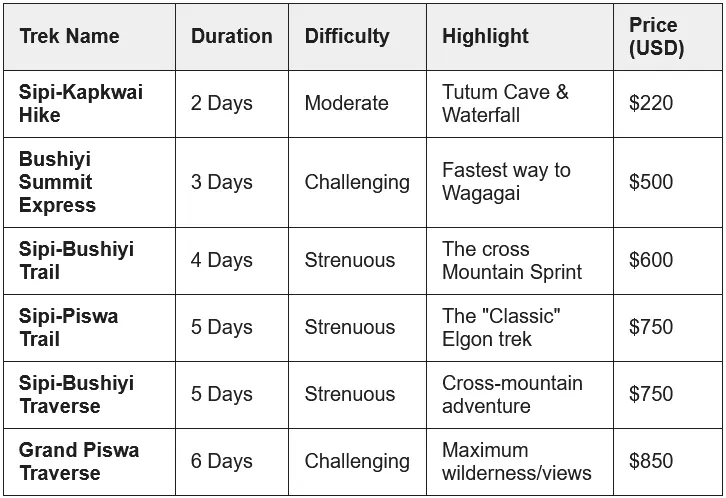
Choosing the right trail depends on your fitness level and how much time you have. Use the table below to find your perfect adventure.
| Trek Name | Duration | Difficulty | Highlight | Price (USD) |
| Sipi-Kapkwai Hike | 2 Days | Moderate | Tutum Cave & Waterfall | $220 |
| Bushiyi Summit Express | 3 Days | Challenging | Fastest way to Wagagai |
$500 |
| Sipi-Bushiyi Trail | 4 Days | Strenuous | The cross Mountain Sprint | $600 |
| Sipi-Piswa Trail | 5 Days | Strenuous | The “Classic” Elgon trek | $750 |
| Sipi-Bushiyi Traverse | 5 Days | Strenuous | Cross-mountain adventure | $750 |
| Grand Piswa Traverse | 6 Days | Challenging | Maximum wilderness/views | $850 |
Detailed Route Summaries
1. The Bushiyi Trail (The Summit Express)
The shortest and most direct route to Wagagai Peak. Perfect for fit hikers with limited time.
Explore the 3-Day Bushiyi Itinerary →
2. The Sipi-Kapkwai Trail (The Forest Experience)
A rewarding short trek focusing on the montane forest and the spectacular Tutum Cave. This route does not reach the summit but is perfect for nature lovers.
Explore the 2-Day Kapkwai Itinerary →
3. The Sipi-Piswa Traverse (The Wilderness Expedition)
Our most popular multi-day trek. Starting in Sipi and ending at the remote Piswa gate, this route offers the best chances for wildlife spotting and views of the Karamoja plains.
Explore the 5-Day Sipi-Piswa Itinerary →
4. The Sipi-Bushiyi Trail
Another popular multi-day trek. Starting in Sipi and ending at Bushiyi gate, this route offers great chances for wildlife spotting and views of the Karamoja plains.
Explore the 5-Day Sipi-Bushiyi Itinerary →
5. The Grand 6-Day Traverse (The Ultimate Expedition)
The most complete way to see Mount Elgon. This route gives you extra time for acclimatization and covers the northern and southern faces of the volcano.
Explore the 6-Day Grand Traverse →

Comparing the Main Trekking Trails
Mount Elgon is unique because its three main trails offer completely different “personalities.” Choosing the right one is the key to a successful trek.
- The Sasa Trail (The Classic): The most popular and direct route. It is famous (or infamous) for the “Wall of Death”—a series of sturdy UWA-built ladders that help you scale the first steep cliff face. It is the quickest way to the summit but also the steepest.
- The Piswa Trail (The Scenic): Known for its gentle slopes and spectacular views of the Karamoja plains. This route is longer but offers superior acclimatization and is excellent for wildlife spotting.
- The Bushiyi Trail (The Express): A newer, more rugged trail that provides the shortest distance to Wagagai Peak. It is steep, direct, and perfect for fit hikers who want to test their limits.
Safety & Altitude: Respecting the Mountain
While Mount Elgon’s slopes are gentler than those of the Rwenzori or Kilimanjaro, the altitude is still significant. Wagagai Peak stands at 4,321m (14,177 ft), where oxygen levels are roughly 40% lower than at sea level.
1. Avoiding Altitude Sickness (AMS)
The key to a successful summit is “Pole Pole” (slowly, slowly). We design our itineraries with a “climb high, sleep low” philosophy to help your body adjust.
- Hydration: Drink at least 3-4 liters of water daily. The mountain air is dry, and dehydration mimics altitude sickness.
- Pacing: Even if you feel strong, maintain a steady, slow rhythm.
- Listen to your body: Mild headaches are common, but if you experience severe nausea, dizziness, or loss of coordination, our UWA-certified guides are trained to lead you to a lower elevation immediately.
2. Expert Support
You are never alone. Every expedition includes:
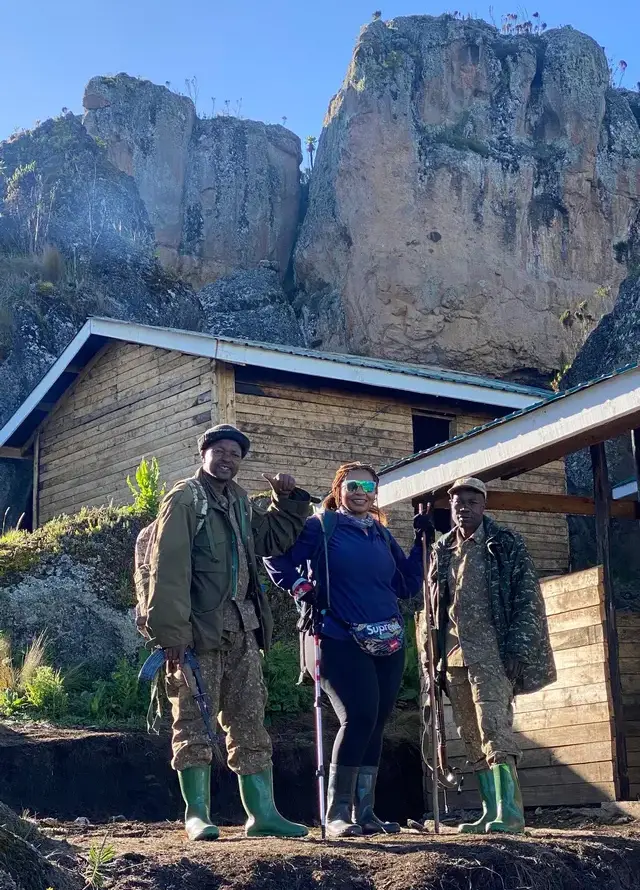
- UWA Rangers: Armed rangers ensure security and route-finding.
- Experienced Guides: Our team monitors your health daily.
- Emergency Protocols: We have established descent routes and communication links with the park headquarters in case of an emergency.
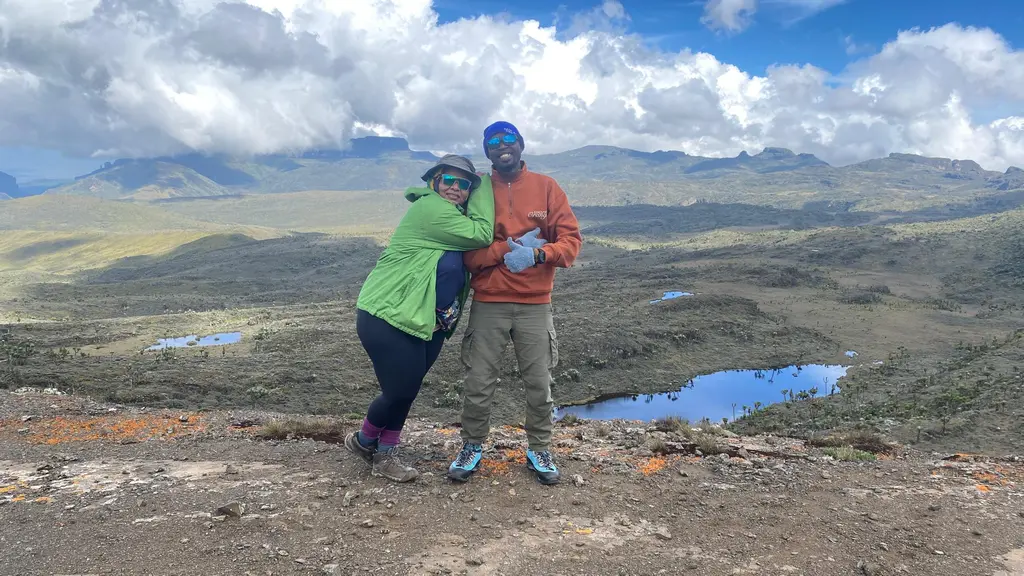
Unique Biodiversity: What to Expect on the Trail
One of the main reasons for trekking Mount Elgon is the incredible transition of flora and fauna. As you ascend, you move through distinct “worlds”:
- Montane Forest (2,000m – 2,500m): Home to massive African Fig trees and a playground for Black-and-White Colobus and Blue Monkeys.
- Bamboo Zone (2,500m – 3,000m): A misty, atmospheric forest where the rare Hartlaub’s Turaco can be heard.
- Heath & Moorland (3,000m+): This is where the landscape turns prehistoric. You will walk among Giant Lobelias (Lobelia elgonensis) and Giant Groundsels (Dendrosenecio) that grow up to 6 meters tall.
- The Caldera Rim: A vast, high-altitude desert where you can see the results of ancient volcanic eruptions and gaze across into Kenya.
Unique Biodiversity: What to Expect on the Trail
One of the main reasons for trekking Mount Elgon is the incredible transition of flora and fauna. As you ascend, you move through distinct “worlds”:
- Montane Forest (2,000m – 2,500m): Home to massive African Fig trees and a playground for Black-and-White Colobus and Blue Monkeys.
- Bamboo Zone (2,500m – 3,000m): A misty, atmospheric forest where the rare Hartlaub’s Turaco can be heard.
- Heath & Moorland (3,000m+): This is where the landscape turns prehistoric. You will walk among Giant Lobelias (Lobelia elgonensis) and Giant Groundsels (Dendrosenecio) that grow up to 6 meters tall.
- The Caldera Rim: A vast, high-altitude desert where you can see the results of ancient volcanic eruptions and gaze across into Kenya.
Everything You Need to Know
Best Time to Trek
While Mount Elgon can be climbed year-round, the Dry Seasons (June to August and December to March) offer the clearest views and the easiest trail conditions. However, the “wet” season brings a lush, green beauty to the forest that many photographers prefer.
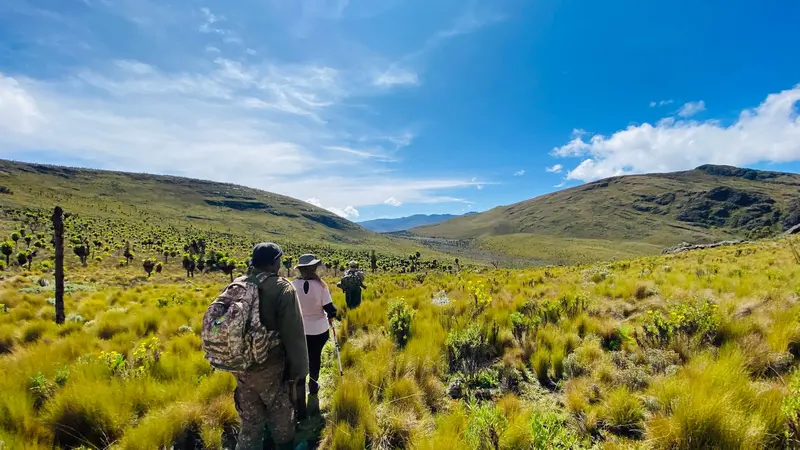
Mount Elgon Trekking Logistics
Getting There
Most treks begin with a briefing in Mbale or Sipi. From Kampala, it is a scenic 5-6 hour drive. We offer private transfers from Entebbe or Kampala to ensure you arrive relaxed and ready for your climb.
Permits and Regulations
All treks are managed by the Uganda Wildlife Authority (UWA). You cannot trek Mount Elgon alone; you must be accompanied by a certified UWA ranger. Our packages cover all permit costs, ranger fees, and park entrance taxes so you can focus entirely on the hike.
Physical Preparation
While Mount Elgon is not technically difficult (no ropes or ice axes required), it is a test of endurance. We recommend a fitness regime of cardio and hill walking for at least 4 weeks before your arrival.
Essential Packing List for Mt. Elgon
The weather on the mountain is famously unpredictable. Even in the dry season, the summit can be freezing and misty.
- Footwear: Waterproof, broken-in hiking boots with good ankle support.
- Clothing: A “three-layer” system (moisture-wicking base, warm fleece mid-layer, and a waterproof/windproof outer shell).
- Gear: A 30L-40L daypack for yourself (our porters carry the heavy gear).
- Hydration: At least 3 liters of water capacity (Refillable bottles or bladders).
- Safety: A headlamp with extra batteries and a basic personal first-aid kit.

Beyond the Summit: The Sipi Falls Experience
Most trekkers arrive exhausted but exhilarated. We strongly recommend adding 2 or 3 days in Sipi Falls after your trek. It is the perfect place to “re-enter” the world while supporting the local community.
The Coffee Tour: From Bean to Cup
The slopes of Elgon produce some of the finest Arabica coffee in the world. On our community coffee tour, you’ll visit a local family farm to:
- Pick ripe “cherries” directly from the trees.
- Hand-shell and roast the beans over an open fire.
- Grind the coffee using traditional mortar and pestle.
- Enjoy the freshest cup of coffee you’ve ever tasted.
Sabiny Cooking Classes
Learn the “soul” of mountain life through its food. Join a local host to visit the village market and then help prepare a traditional meal:
- Matooke: Learn the rhythmic art of peeling green bananas.
- Malewa: Taste the famous smoked bamboo shoots, a delicacy of the Bagisu people.
- G-Nut Sauce: Help grind peanuts into a rich, purple sauce.
- It’s more than a class—it’s a shared meal and a conversation around the fire.
Relaxation & Recovery
Sometimes, the best activity is no activity. Relax in a hammock overlooking the 100-meter Sipi waterfall, take a sunset walk to the “King of the Cliff” viewpoint, or enjoy a massage to soothe your hiking muscles.
Ready to Stand on the Roof of Eastern Uganda?
Whether you want a challenging 3-day sprint or a leisurely 6-day wilderness expedition, Mount Elgon Trekkers is your local partner for a safe, professional, and unforgettable adventure.